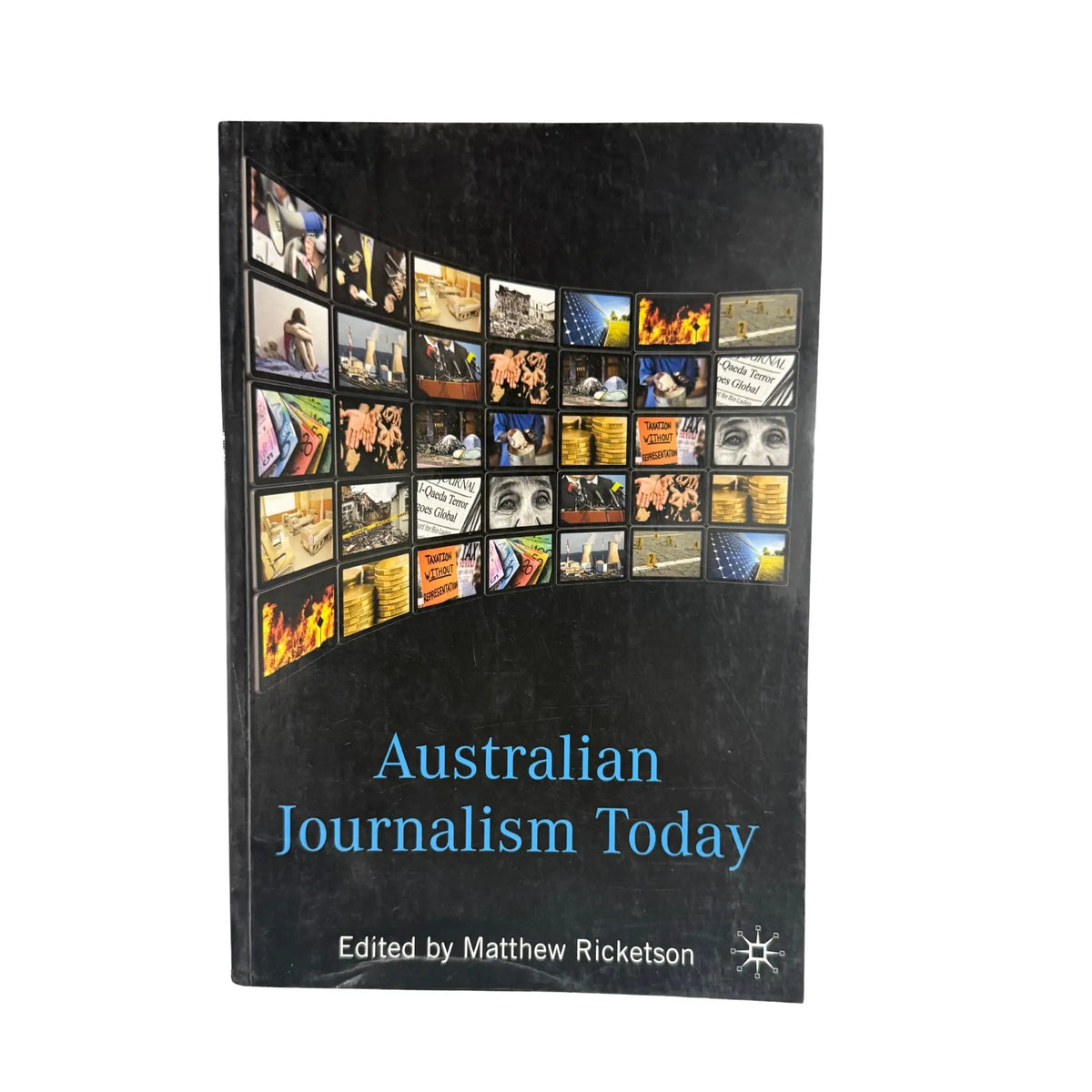
Australian Journalism Today
Australian Journalism Today
Delivery Charges: Flat Rs. 300 | Free Delivery: On orders of Rs. 5,000 or more.
Couldn't load pickup availability
Language: ENG- English
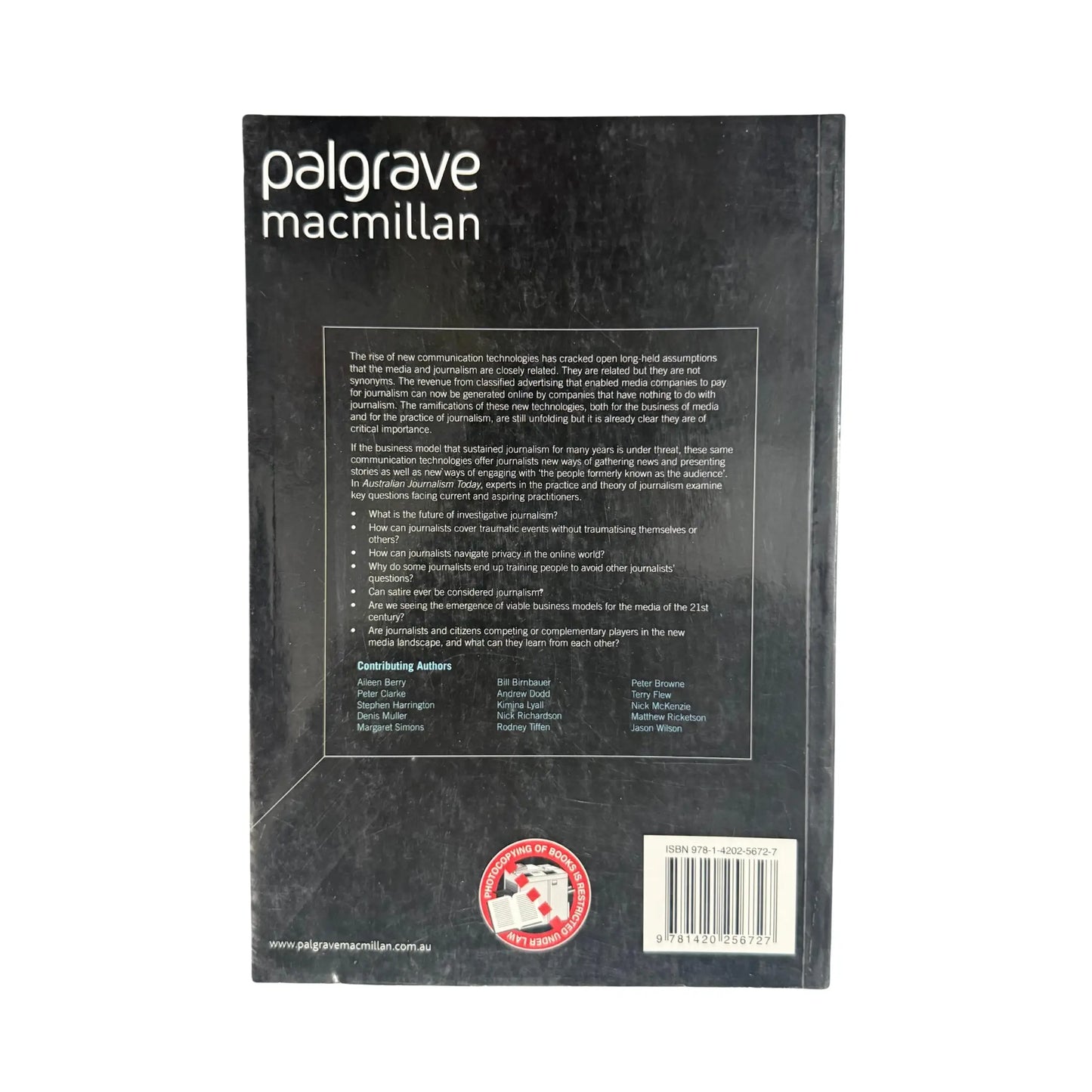
Product Description The rise of new communication technologies has cracked open long-held assumptions that the media and journalism are closely related. They are related but they are not synonymous. The revenue from classified advertising that enable media companies to pay for journalism can now be generated online by companies that have nothing to do with journalism. The ramification of these new technologies, both for the business of media and for the practice of journalism, are still unfolding but it is already clear they are of critical importance. If the business model that sustained journalism for many years is under threat, these same communication technologies offer journalists new ways of gathering news and presenting stories as well as new ways of engaging with 'the people formerly known as the audience'. In Australian Journalism Today, experts in the practice and theory of journalism examine key questions facing current and aspiring practitioners. What is the future of investigative journalism? How can journalists cover traumatic events without traumatizing themselves or others? How can journalists navigate privacy in the online world? Why do some journalists end up training people to avoid other journalists' questions? Can satire ever be considered journalism? Are we seeing the emergence of viable business models for the media of the 21st century? Are journalists and citizens competing or complementary players in the new media landscape, and what can they learn from each other? From the Back Cover The rise of new communication technologies has cracked open long-held assumptions that the media and journalism are closely related. They are related but they are not synonymous. The revenue from classified advertising that enable media companies to pay for journalism can now be generated online by companies that have nothing to do with journalism. The ramification of these new technologies, both for the business of media and for the practice of journalism, are still unfolding but it is already clear they are of critical importance. If the business model that sustained journalism for many years is under threat, these same communication technologies offer journalists new ways of gathering news and presenting stories as well as new ways of engaging with 'the people formerly known as the audience'. In Australian Journalism Today, experts in the practice and theory of journalism examine key questions facing current and aspiring practitioners. What is the future of investigative journalism? How can journalists cover traumatic events without traumatizing themselves or others? How can journalists navigate privacy in the online world? Why do some journalists end up training people to avoid other journalists' questions? Can satire ever be considered journalism? Are we seeing the emergence of viable business models for the media of the 21st century? Are journalists and citizens competing or complementary players in the new media landscape, and what can they learn from each other? About the Author Editor: Matthew Ricketson is an academic and journalist. He has worked on staff at The Age, The Australian and Time Australia magazine, among others and has won awards for his work, including the George Munster prize for freelance journalism for a profile of historian Geoffrey Blainey and a United Nations Media Peace citation for a co-authored cover story for Time Australia about the Vietnamese community in Australia. Matthew ran the Journalism program at RMIT between 1995 and 2006 before returning to the industry as Media and Communications Editor for The Age. In 2009, he was appointed inaugural Professor of Journalism at the University of Canberra, where he also headed the discipline of Journalism and Communications until his appointment by the federal government in September 2011 to assist former Federal Court judge, Ray Finkelstein QC, in an independent inquiry into the media in Australia. Matthew will ret
Share